
Slowing the progression of myopia
Modern, clinical treatments proven to flatten the curve.
What is myopia?
Myopia, often called short-sightedness or near-sightedness, is a condition of the eyes that results in blurry long-distance vision.
A person with myopia can see clearly up close, such as when reading a book or looking at a phone, while distant objects like store signs or television screens may appear blurry or hard to read.
A projected 50% of children will develop myopia in their lifetimes.
High myopia increases the risk of:
Glaucoma by 50%
Retinal detachment by 5-6 times
Macular myopic degeneration by 845x
Cataracts by 17%
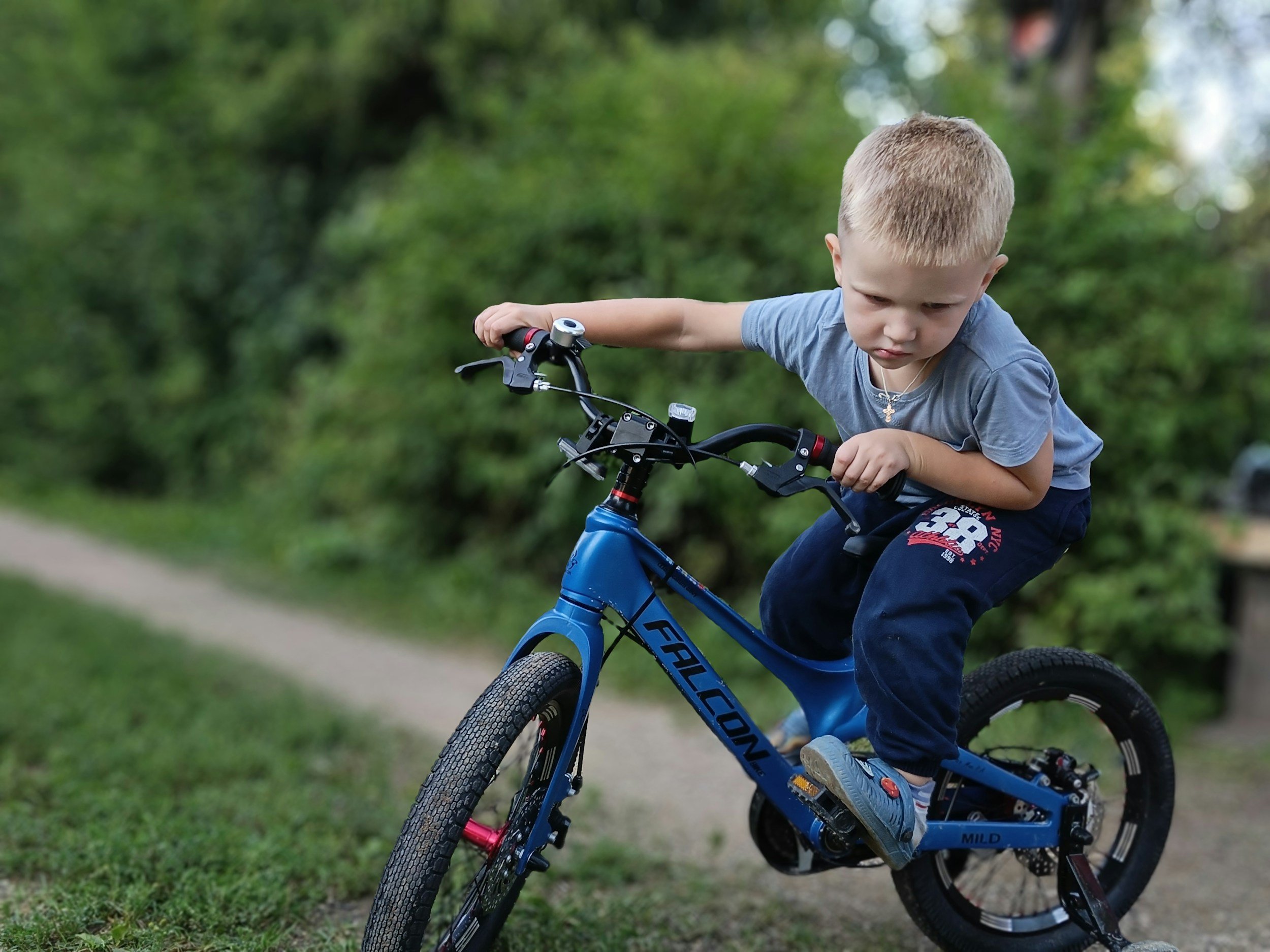
Children with myopia may struggle with:
Engaging with sports
Learning in school
Constant eyestrain
Neck and shoulder pain
Headaches
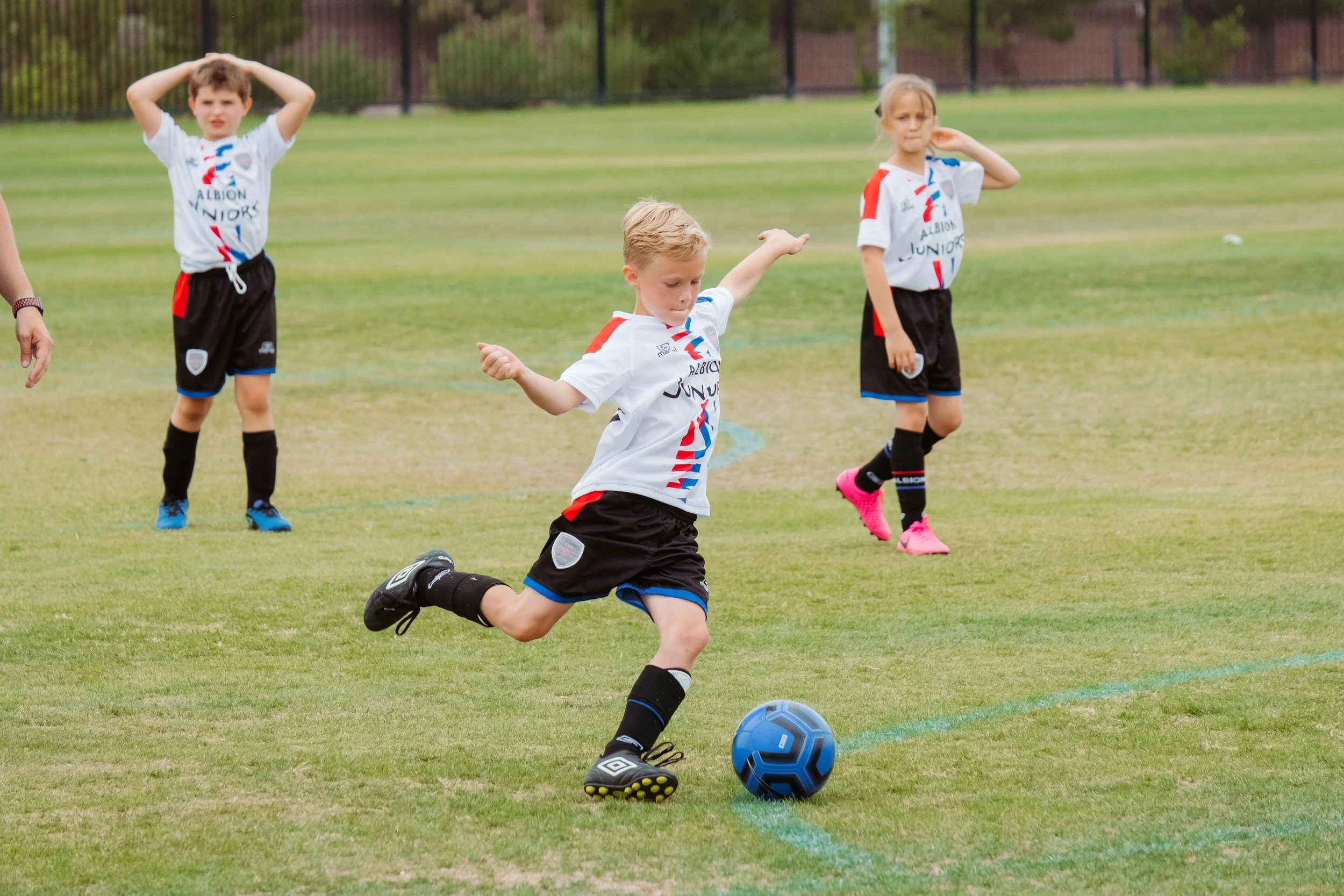
When your child aims for a goal post or tries to catch a ball, they have to be able to see clearly and judge distance. Myopia can interfere with your child’s ability in this field, leading to frustration and difficulty with athletics and sports.
When your child can’t see the board and gets exhausted from straining their eyes all day, the outcome is a sudden drop in performance that you’re left searching for a reason to explain. Though parents don’t often associate the two, blurry vision can lead to difficulty in school as well.
But a diagnosis is not the end.
Myopia management can slow down the worsening of nearsightedness in children.
Help flatten the curve.
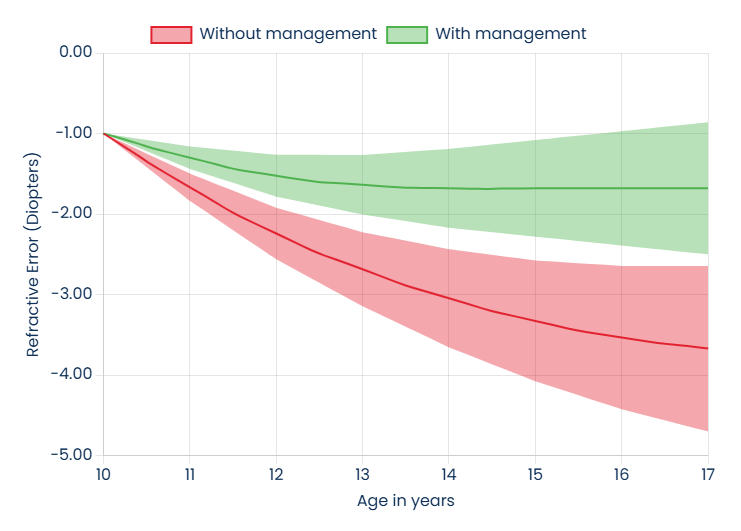
Myopia management treatment options have been proven with evidence to lower the rate at which a child’s myopia progresses. Below is an example diagram of the expected progression of a 10-year-old girl’s myopia, starting at -1.00, depending on if she uses specialty glasses or not. We can provide customised projections of your child’s myopia progression.
THE LIFE THEY DESERVE
THE LIFE THEY DESERVE
We offer a variety of options for myopia management, including:
Low Dose Atropine Eyedrops
Low-dose atropine eye drops are a mild, low-concentration medication placed in the eye once nightly. They work by gently reducing the signals that tell the eye to keep growing longer, which is what makes myopia worsen.
For kids, this means the drops help slow down how quickly their vision gets worse, so they may need stronger glasses less often as they grow. The drops are easy to use, usually cause few side effects, and let children continue their normal activities like school, sports, and screen time with less risk of rapid worsening of nearsightedness.
Specialty Soft Contact Lenses
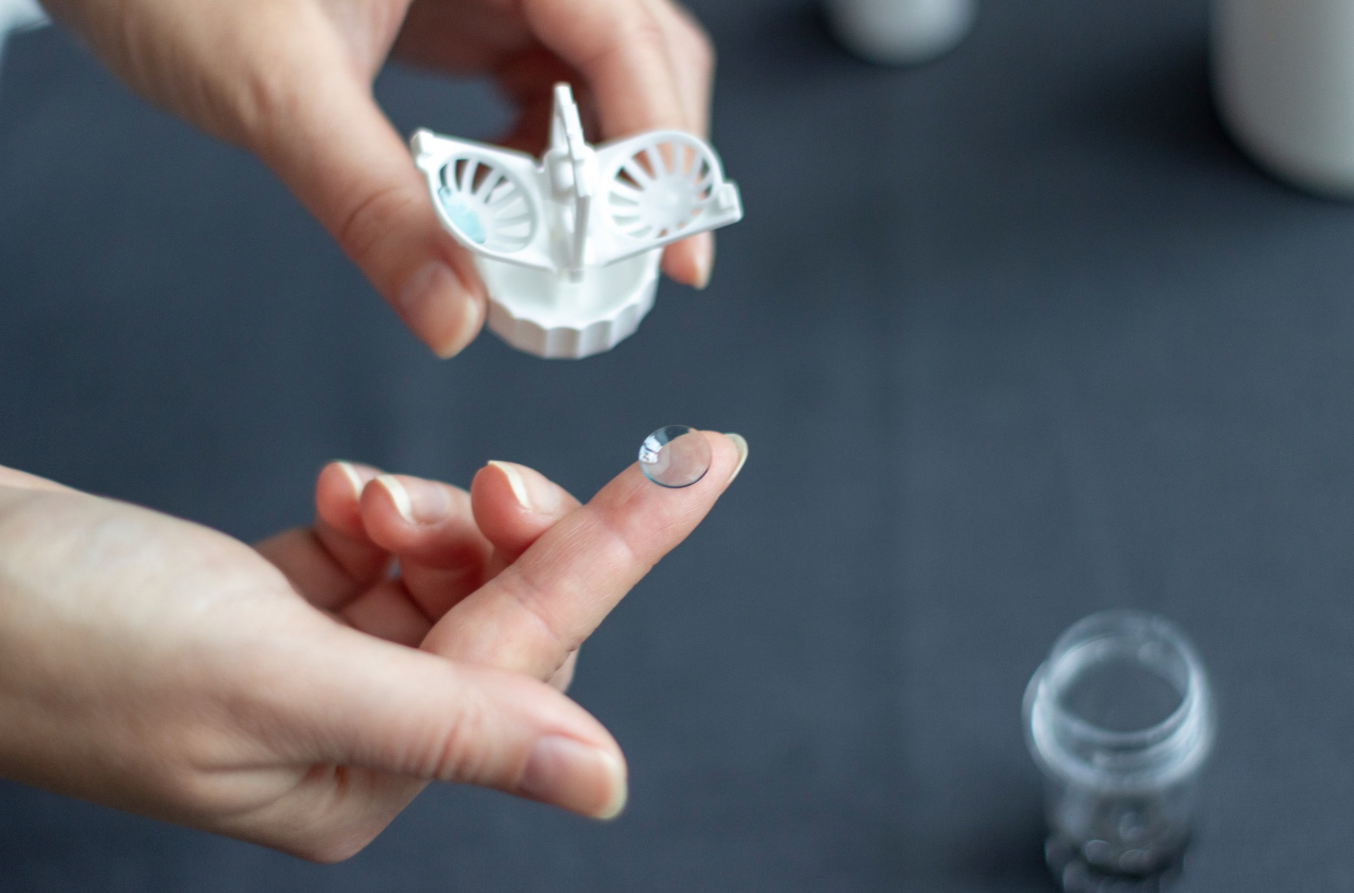
Specialty soft contact lenses for myopia control work much like specialty glasses, gently altering how light focuses on the eye so the retina receives clearer central images while also reducing the peripheral signal that encourages myopia to worsen. They do this by having different optical zones, central correction for clear vision and peripheral treatment zones that shift focus slightly forward, which helps slow eye elongation.
Your child simply wears a pair of soft contact lenses during the day. These lenses are made to be comfortable and safe for daily use, available as both daily disposable and monthly replacement lenses.
Specialty Glasses
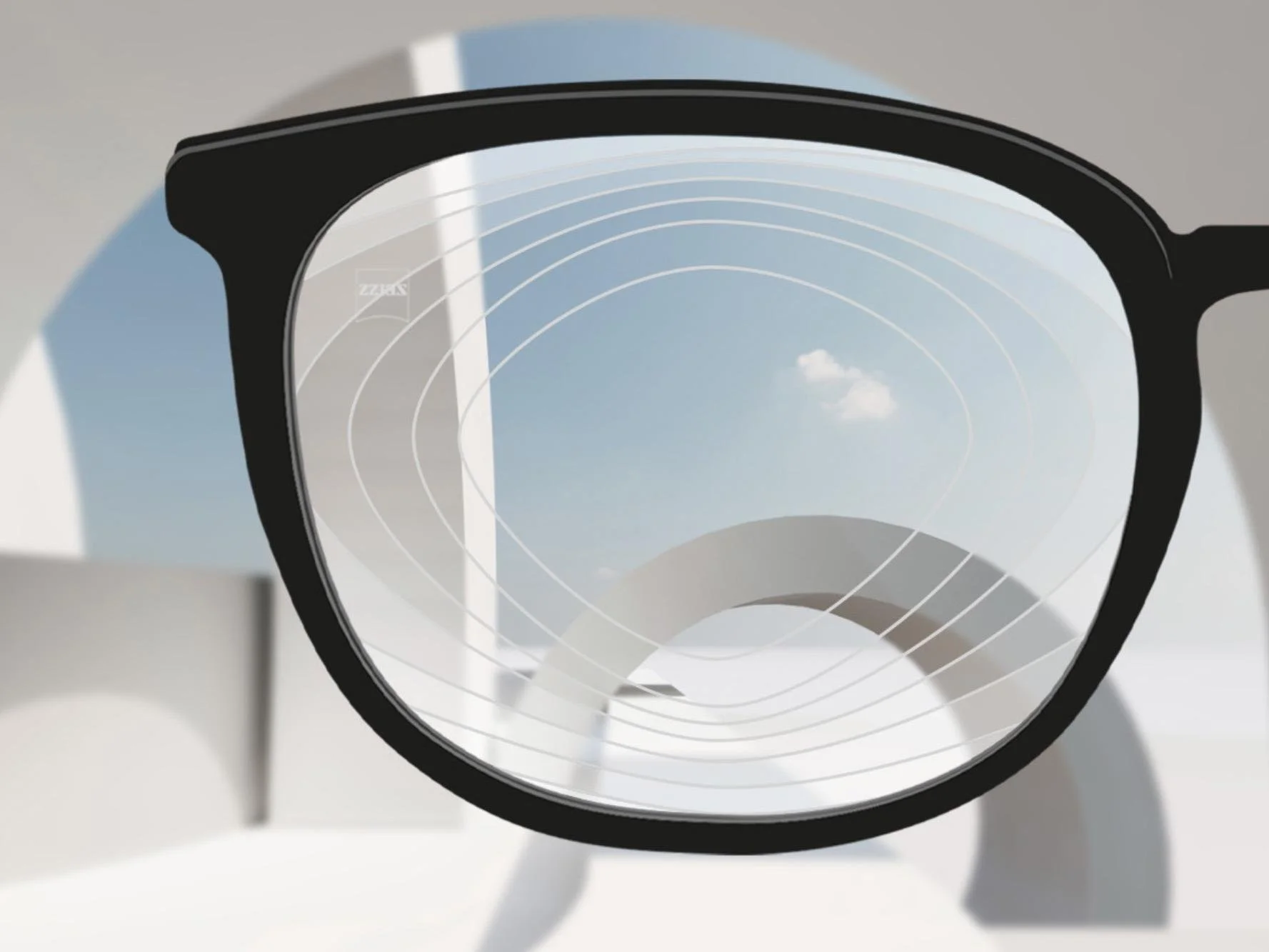
Specialty glasses use special lens designs or coatings that change how light focuses on the eye so the retina receives clearer central images while reducing the signal that tells the myopia to worsen. These lenses create a controlled focus pattern—clear vision in the center and slightly focused or defocused light in the periphery—which reduces the stimulus for the eye to elongate. Over time, that altered peripheral focus can slow progression of nearsightedness in children and young adults when worn as prescribed.
For your child, the experience is typically the same as wearing ordinary glasses: they put them on, see clearly, and go about their activities. There may be a short adaptation period as the brain adjusts to the lens zones, but most children adapt quickly without noticing the technical differences.
Orthokeratology
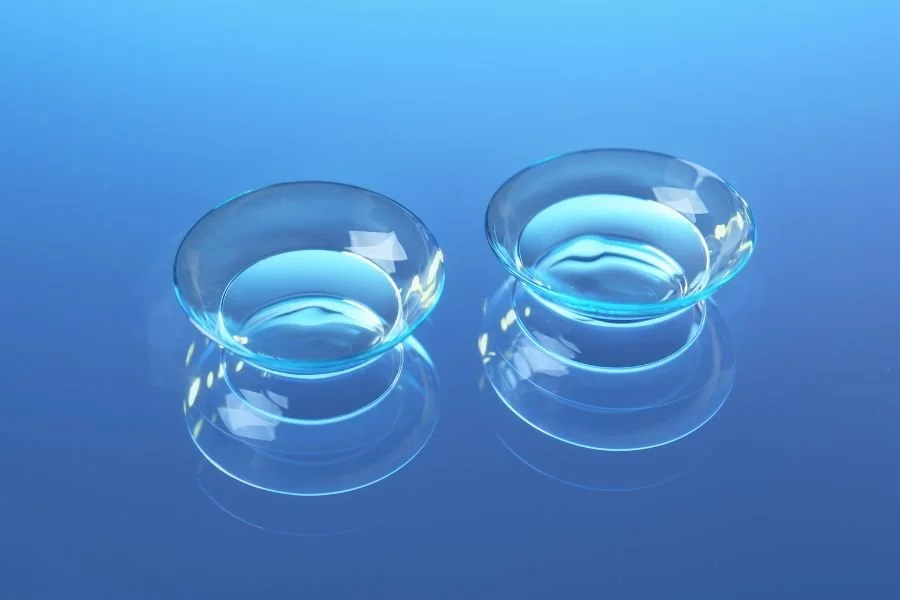
Orthokeratology (ortho-k) uses special rigid contact lenses worn overnight that gently reshape the front surface of the eye). When removed in the morning, these temporary changes let the wearer see clearly during the day without glasses or daytime contacts.
Studies show ortho-k can reduce how quickly nearsightedness gets worse, which may lower the long-term risk of vision problems linked to high myopia.
Your child will be able to play sports and be active without wearing corrective eyewear during the day. Orthokeratology is also available for adults.
The simple path to myopia management
-
Step 1: Book your consult.
Decide that it’s time to take back control and stop the progression of myopia before it can get any worse.
-

Step 2: Get your customised plan.
We’ll walk you through all your options and help pick one that works best for your child’s lifestyle.
-
Step 3: Let them enjoy their vision.
Clear vision today, tomorrow, and for the rest of their lives. Be able to rest easy, knowing your kids will thank you.
Book with us today!
FAQs
-
There is no single “most effective” myopia treatment for everyone. Effectiveness depends on age, degree and progression of myopia, eye health and lifestyle. Current evidence shows low-concentration atropine (0.01–0.05%) and orthokeratology lenses are among the most effective at slowing progression, with multifocal soft contact lenses and specially designed myopia-control spectacles also providing meaningful benefit. A personalised plan from an eye care professional, often combining interventions plus increased outdoor time and reduced near-focus strain, gives the best outcome.
-
Ideally, your kids will be able to avoid needing glasses in the future, but it varies by individual.
Myopia management aims to slow the progression of nearsightedness, reducing how quickly prescription strength increases and lowering long-term risk of high myopia and related eye disease. Most treatments (specialised contact lenses, atropine eye drops, or orthokeratology) do not eliminate the need for glasses entirely. Many children will still require corrective lenses for clear distance vision. However, with effective management a child may need weaker prescriptions, change glasses less frequently, and have a lower lifetime risk of serious eye problems.
For a personalised prediction and to discuss the best options for your child, schedule an assessment with an eye care professional who specialises in myopia management.
-
Unfortunately not. Current myopia management options can slow or reduce the rate of progression, but they do not permanently reverse an existing prescription. Some treatments temporarily change corneal shape (orthokeratology) or reduce the prescription while in use, but the underlying refractive error typically returns if treatment stops.
-
OHIP covers one full eye exam for children under 19 every 12 months. Any overlap between this exam and the myopia management treatment plan is covered by OHIP. However, additional measurements (such as axial length) and additional follow-up visits are not covered under OHIP, as well as any specialty eyewear, eyedrops, or contact lenses.
-
Costs for myopia management in Ontario vary by treatment and patient needs.
Low‑dose atropine eye drops typically cost between $200 and $500 per year for medication and follow‑up visits. Specialty soft contact lenses for myopia control (multifocal or dual‑focus designs) usually run $800–$1,500 initially, plus ongoing contact supplies and follow‑ups. Orthokeratology has higher up‑front fees, commonly $1,200–$2,500 for fitting and lenses, with annual replacement and monitoring costs thereafter. Specialty spectacle lenses designed for myopia control are generally $300–$800 extra over standard lenses.
OHIP does not routinely cover myopia control treatments for most children, though some assessments or diagnostic imaging done as part of care may be covered for eligible patients. Private insurance or health spending accounts may cover part of the cost. Check your plan for coverage of eye exams, contact lenses, or therapeutic treatments.